
Phase 1 Pediatric Orthodontics Newton
Getting a Head Start on a Healthy Smile
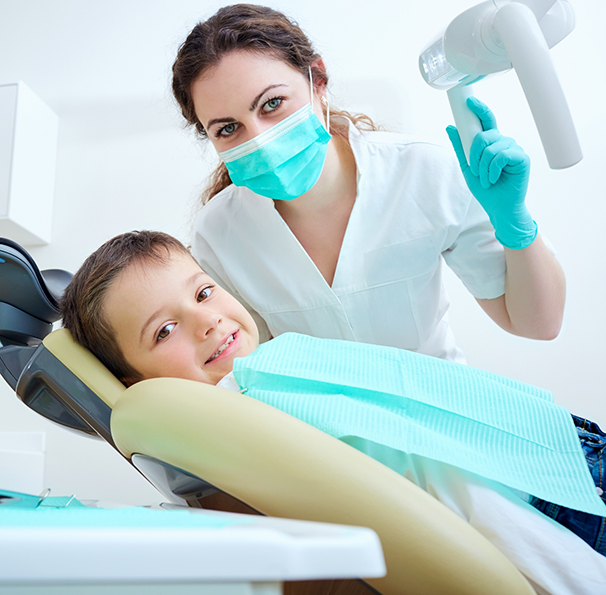
Our Newton practice offers Phase 1 orthodontic treatment, sometimes called early orthodontics. This program is designed for children roughly ages 7 to 10, whose jaws and teeth are still developing. Rather than waiting until all their permanent teeth arrive, we can gently address specific issues while your child’s mouth is still the most responsive to change. To learn more about our Phase 1 orthodontic services or to schedule an appointment for your child, you can contact our Newton office today!
Why Choose Carlotto Orthodontics for Phase 1 Pediatric Orthodontics?
- Early Evaluations by a Highly Trained Orthodontist
- Treatment Designed Specifically for Your Child's Growing Smile
- We Help You Make the Most of Your Insurance Benefits
Does My Child Need Phase 1 Orthodontics?
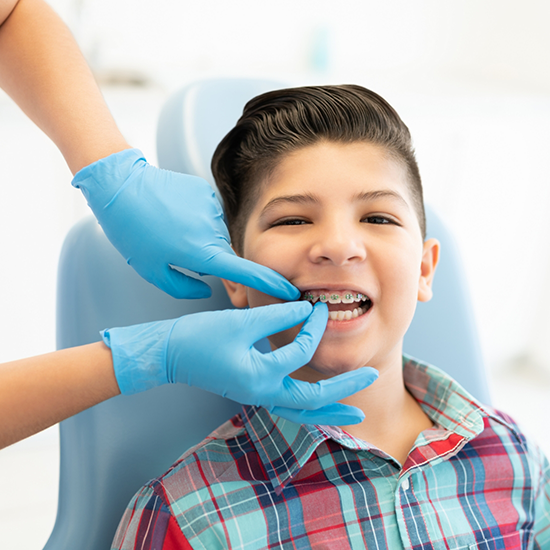
Not every child ends up requiring early orthodontic treatment. This is why the American Association of Orthodontists recommends an orthodontic evaluation by age 7; at this point, your child might show signs that they could benefit from treatment. These include crowded or protruding teeth, early or late loss of baby teeth, difficulty chewing or biting, prolonged thumb-sucking, or noticeable bite problems like an obvious underbite or overbite. In any case, during a consultation, Dr. Carlotto will be able to accurately assess your child’s growth and let you know if Phase 1 can help.
What Treatments Can Be a Part of Phase 1 Orthodontics?
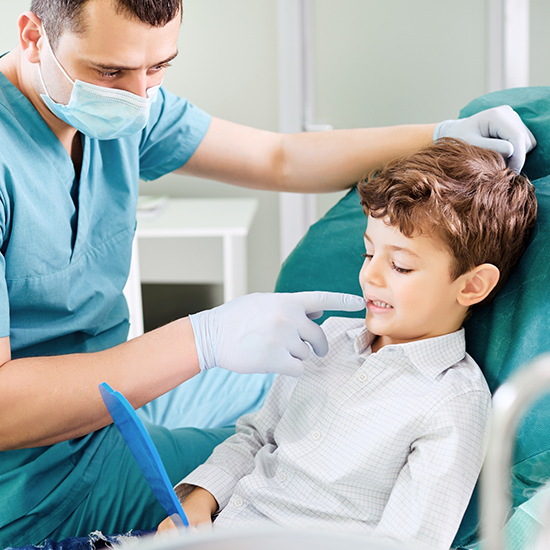
Phase 1 orthodontics is always tailored to each child’s specific needs. Some common treatments include things like palatal expanders to widen a narrow upper jaw, partial braces to correct significant crowding or protrusion, space maintainers to preserve room for permanent teeth, and other custom-made appliances to address various other issues. These treatments can often last anywhere from 12 to 18 months.
Palatal Expanders
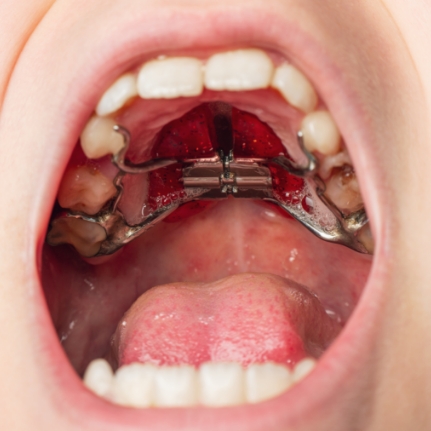
Palatal expanders are used to gradually widen a narrow upper jaw, creating more room for permanent teeth to come in properly and helping to correct certain bite issues. The appliance fits along the roof of the mouth and is adjusted gradually, typically by turning a small key at home, which in turn comfortably and slowly expands the palate over time. They are often used as part of Phase 1 treatment, since younger jaws are still developing.
Space Maintainers
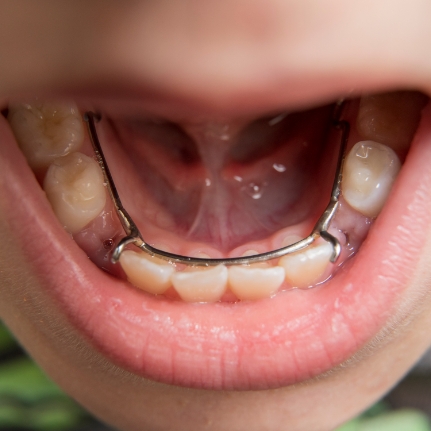
When a baby tooth is lost too early, whether due to decay, injury, or other circumstances, the surrounding teeth can begin to shift into the empty space and potentially cause crowding or alignment issues when the permanent teeth are ready to come in. Space maintainers are small appliances that do exactly what their name implies, keeping these spaces open and ensuring the neighboring teeth stay in place.
Functional Appliances
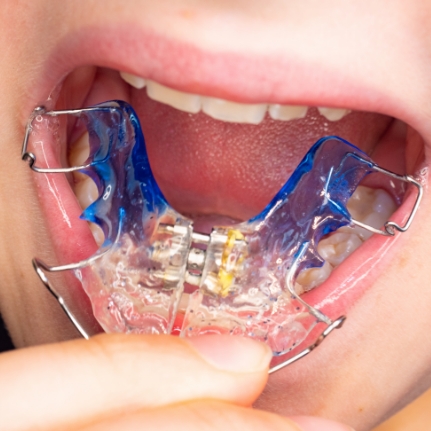
If we notice that your child is showing the early signs of having an overbite or underbite, functional appliances such as lower jaw expanders and headgear can allow us to help guide their development to improve these conditions. This can help minimize their chances of needing lengthier orthodontic treatment as a teen.
Habit-Based Appliances
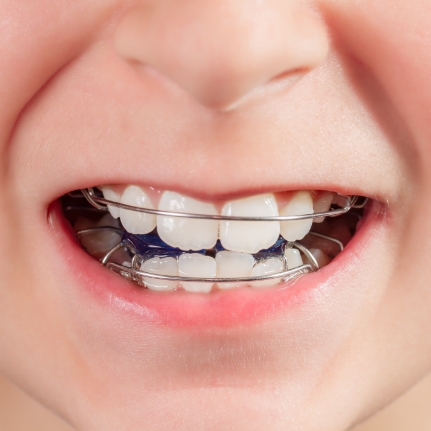
When a child continues tongue thrusting or thumb-sucking past the age of three, it can increase their risk of developing orthodontic issues such as open bite and misalignment. We can provide your child with a custom appliance designed to help stop these habits and minimize their risk of developing orthodontic problems as a result.
Our Ultimate Phase 1 Goals

The ultimate goal of Phase 1 orthodontic treatment in Newton is to create a healthier environment for permanent teeth when they begin to emerge, as well as to correct functional issues while your child’s jaw is still growing. Some specific benefits include improved bite function, better facial symmetry, and more room for crowded teeth, which in turn reduces the risk of injury due to protruded teeth. Once Phase 1 has been completed and your child is ready, additional orthodontics can be used to fine-tune things even further—and this treatment is often shorter and far simpler compared to what it would’ve been like without the help of Phase 1!